
Industry News
Is importing personal hair care products from China a more advantageous option for the Middle East?
19
May
May
Often yes for cost and scale, but not automatically for total landed advantage.

China is still one of the strongest sourcing bases for personal care because its cosmetics sector is large and deeply connected to trade infrastructure: the U.S. Commerce Department says China was the second-largest cosmetics market globally in 2023, and Shanghai alone handled **25.32 billion yuan** of cosmetics and personal-care import/export value at port in Jan–May 2025. China’s total goods trade in 2025 was 45.47 trillion yuan, which is a sign of how mature its export ecosystem is.

For the Middle East, the answer becomes more nuanced. The region’s biggest cosmetics markets include the UAE, Saudi Arabia, and Kuwait, and the U.S. trade guide identifies the UAE and Saudi Arabia as major cosmetics import markets. But Saudi Arabia requires cosmetic products to be listed in SFDA’s electronic system before import or trade, and the GCC standard GSO 1943:2024 covers safety, labeling, and packaging requirements for cosmetics and personal care products.

So the practical answer is:

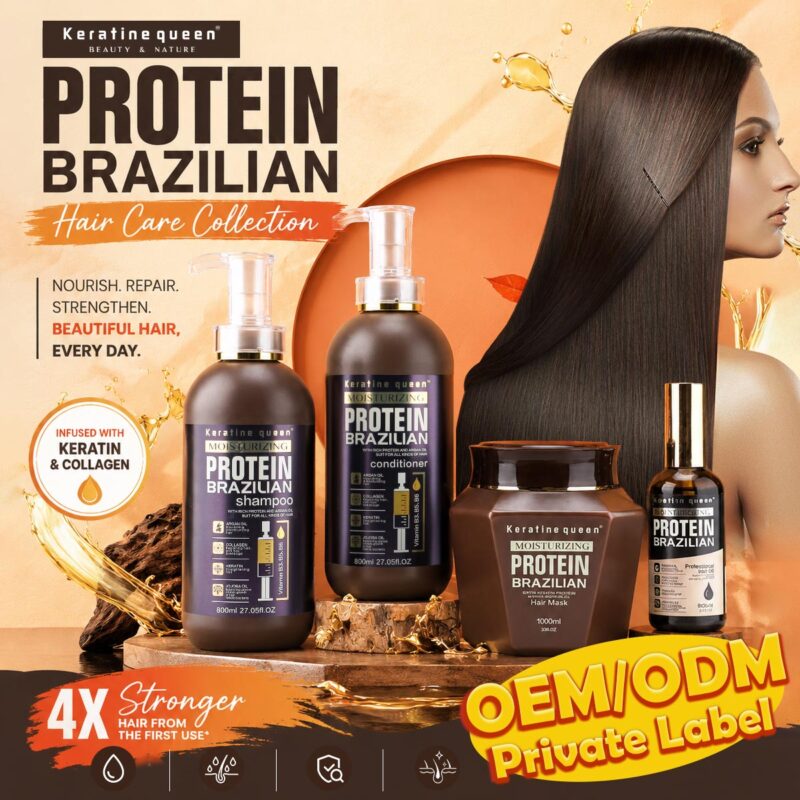
China is more advantageous when you want lower unit cost, broad OEM/private-label choice, larger MOQs, and faster supplier scaling. It is less advantageous when you need very fast replenishment, simpler compliance, or a supplier already built for GCC/SFDA registration and labeling. That conclusion follows from China’s scale on one side and the GCC/Saudi regulatory steps on the other.

For a personal care brand selling into the Middle East, the best sourcing model is often China for manufacturing + a local/regional importer or regulatory partner for market access.
